Blogs

Legacy Rules, New Intelligence: Rejuvenating Business Logic with AI

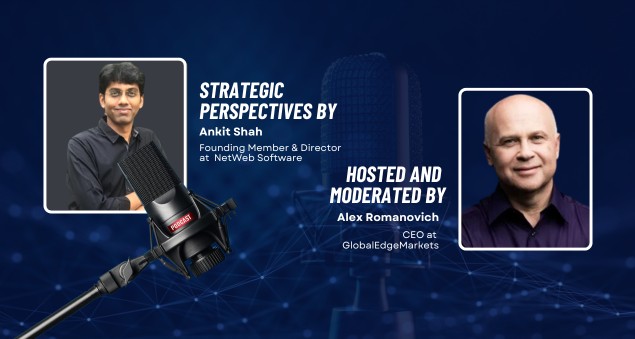
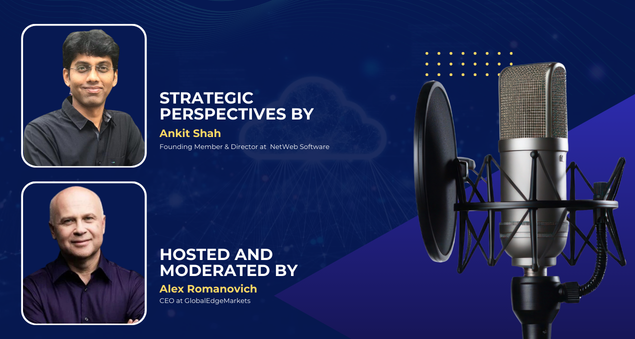
Ankit Shah had a thoughtful discussion with Alex Romanovich in a recent episode of Global Edge Talk, part of the series of podcasts on a topic that many organizations are grappling with today-how to modernize legacy systems while preserving the intelligence built into them over decades.

For years, enterprise systems built on technologies such as AS400, COBOL have quietly powered the core operations of organizations across industries. While often labeled as “legacy,” these systems continue to manage critical processes ranging from financial transactions and inventory management to compliance and healthcare records.

The reason they persist is simple: they contain years of accumulated business intelligence and continue to remain highly reliant and accurate.

Embedded within these systems are thousands of business rules; conditions, workflows, and exceptions that define how an organization operates. These rules govern how transactions are validated, how risks are managed, and how compliance requirements are enforced.

As organizations move toward AI-driven transformation, the challenge is not simply replacing these systems. The real challenge is modernizing them without losing the logic that has safeguarded business operations for decades.

The Value Hidden in Legacy Systems

Legacy systems are often viewed as outdated technology that limits innovation. In reality, they represent a repository of institutional knowledge.

Over time, enterprises have embedded their operational experience into these systems through business rules, exception handling, and compliance controls. Many of these rules remain undocumented and deeply embedded within code, making them difficult to interpret or replicate without careful analysis.

This creates a paradox for modern enterprises:
the systems that appear the oldest often contain the most valuable knowledge about how business works.

AI as a Modernization Catalyst

Artificial Intelligence is now beginning to change how organizations approach legacy transformation.

Instead of relying solely on manual reverse engineering, AI can help analyze complex codebases, identify patterns, and surface embedded business rules. What once required months of effort can now be accelerated significantly.

However, while AI can reveal what rules exist within a system, it cannot always explain why those rules were created in the first place. Understanding the business intent behind these decisions still requires human expertise.

This is where the concept of Business Rule Rejuvenation becomes particularly relevant.

From Code Migration to Business Rule Rejuvenation

Legacy modernization is often framed as a technology upgrade – migrating applications, converting code, or moving systems to the cloud.

But meaningful modernization requires something deeper. Organizations must revisit the rules that guide their operations.

Some rules reflect outdated assumptions, while others remain critical for compliance, governance, and operational integrity. Rejuvenation means understanding which rules should be preserved, which should evolve, and which should be retired as businesses adapt to new technologies and operating models.

A Strategic Opportunity for Enterprises

Across industries, from manufacturing and logistics to healthcare and financial services; legacy systems still shape day-to-day operations.

Modernizing these environments without understanding their embedded logic can introduce significant operational risk. At the same time, leaving them untouched can limit innovation and agility.

AI now provides an opportunity to bridge this gap, helping organizations uncover the intelligence within legacy systems while enabling thoughtful and strategic modernization.

For technology leaders, the objective is not simply to replace the past, but to extract its value and evolve it for the future.

These ideas are explored further in Global Edge Talk, Ankit Shah and Alex Romanovich discuss how enterprises can approach legacy transformation, extract hidden business rules, and combine AI-driven analysis with human expertise.

Listen to the full podcast to hear the complete conversation.
 

AI with Purpose: Unlocking Small and Medium Businesses Potential

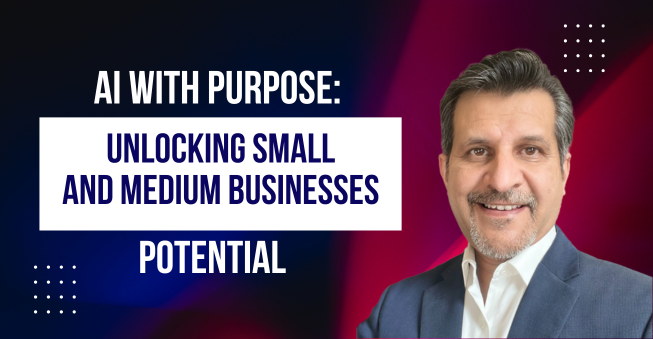
Artificial Intelligence (AI) has quickly moved from a buzzword to a powerful driver of transformation across industries.  Large enterprises have been early adopters, leveraging AI for customer experience, predictive analytics, automation, and innovation. For small and medium businesses (SMEs), the opportunity is equally significant, but so are the risks of diving in without direction.

As a CEO of a technology business and leading couple of Industry forums, I interact with many SME leaders who are curious about AI yet cautious about its costs and complexity. Their biggest question is not “Should we adopt AI?”, but rather “How can we adopt AI with purpose, clarity, and measurable outcomes without burning cash?”

The Context: AI is Not Optional Anymore

SMEs are the backbone of economies worldwide. They compete not only locally but also increasingly on global platforms. In this digital-first world, AI is emerging as a differentiator that can empower SMEs to punch above their weight. From enhancing efficiency to unlocking new revenue streams, AI can fundamentally reshape how businesses operate.

But AI adoption is not about following trends or succumbing to “fear of missing out.” It’s about building sustainable advantage. Businesses treating AI as a “plug-and-play” solution often face inflated costs, half-baked implementations, and little real value.

The Common Pitfalls

Many SMEs fall into predictable traps:

  • Adopting AI without a purpose. Implementations are driven by hype, not strategy.
  • Investing in tools, not outcomes. Businesses spend on expensive software without aligning it to a real business need.
  • Expecting instant results. AI is not a magic wand, it requires data, processes, and training.
  • Neglecting people and culture. Employees resist AI if it is perceived as a threat rather than a support system.

The result? Wasted resources, low adoption, and disillusionment with AI itself.


The Prerequisites for AI Adoption

Before embarking on the AI journey, SMEs need to lay the right foundations. Four prerequisites are critical:

      • ✔Clarity of Purpose Ask: Why AI? Is the goal to reduce costs, improve customer engagement, streamline operations, or explore new markets? Clear objectives shape successful adoption.
      • ✔Data Readiness AI is only as good as the data it learns from. SMEs must ensure their data is clean, structured, and accessible. Without this, even the best AI tools will fail.
      • ✔Skills and Mindset Technology alone cannot deliver outcomes. Employees need to be trained, reskilled, and made comfortable with AI as a co-pilot. Leadership must foster a culture of experimentation and learning.
      • ✔Fit-for-Purpose TechnologySMEs don’t need the most expensive or complex AI platforms. They need scalable, right-sized solutions that align with their business context.


A Framework for Adoption

How can SMEs adopt AI without losing focus or overspending? A simple framework can help:

        • ✔Start Small, Scale Fast Begin with one or two high-impact use cases. For example, automating invoice processing or enabling AI-powered customer support. Demonstrate quick wins and build momentum.
        • ✔Leverage Partnerships SMEs don’t have to do everything themselves. Partnering with technology providers, startups, and industry networks can help them access AI tools, expertise, and innovation at a fraction of the cost. Partnerships reduce upfront investments, shorten learning curves, and bring fresh ideas that SMEs may not be able to build in-house.
        • ✔Build Trust in AI Employees should see AI as an augmentation, not as a replacement. Involving them early in pilot projects reduces resistance.
        • ✔Measure Outcomes, Not Activity Success should be measured in terms of cost savings, time efficiency, customer satisfaction, or revenue growth and not in the number of AI tools deployed.
        • ✔Iterate and Expand Once early projects succeed, scale them to other parts of the business. A gradual, disciplined approach is more sustainable than a sudden big bang adoption.


The Value SMEs Can Unlock

When adopted with clarity, AI can deliver immense value to SMEs:

    • ✔Operational Efficiency: Automating repetitive tasks like data entry, scheduling, and reporting saves time and reduces errors.
    • ✔Customer Engagement: AI-driven chatbots, personalization engines, and analytics improve customer experience.
    • ✔Smarter Sales and Marketing: AI tools can identify high-value leads, optimize campaigns, and predict buying patterns.
    • ✔Supply Chain Optimization: Predictive models can forecast demand, manage inventory, and reduce waste.
    • ✔Global Competitiveness: AI allows SMEs to act with agility, scale digitally, and compete with larger enterprises.


The Leadership Imperative

AI adoption is not merely a technology decision, it is a leadership decision. SME leaders must champion AI as a strategic enabler, not a cost center. The responsibility lies in balancing ambition with discipline:

  • Don’t adopt AI because it’s fashionable.
  • Don’t spend without outcomes defined.
  • Don’t ignore the human element in AI adoption.

    Instead, build a roadmap that aligns AI with business goals, manages costs carefully, and ensures measurable returns.


    Conclusion: AI Adoption with Purpose

    Artificial Intelligence is here to stay, and SMEs cannot afford to ignore it. But adopting AI blindly is as risky as ignoring it completely.

    The real winners will be SMEs that adopt AI with purpose, define clear outcomes, and scale with discipline. AI should not be about burning cash; it should be about creating value. With the right framework and mindset, SMEs can leverage AI to transform themselves from being resilient survivors into thriving global competitors.

    Author: Maulik Bhansali, CEO – NetWeb Software

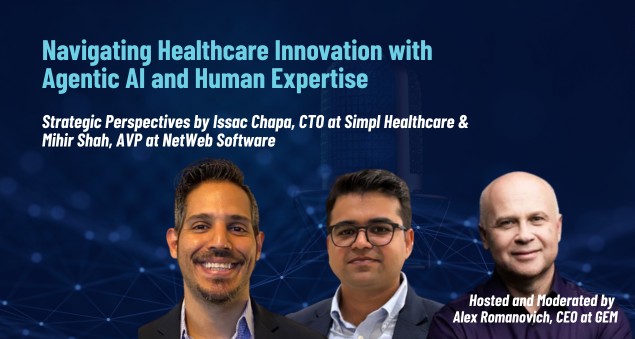
Navigating Healthcare Innovation with Agentic AI and Human Expertise

In a collaborative and insightful conversation, Alex Romanovich engages with Isaac Chapa, CTO and Co-founder of Simpl Healthcare, and Mihir Shah from NetWeb Software to explore how Agentic AI is being responsibly integrated into digital health platforms.

Together, they delve into real-world challenges and innovations—discussing the critical role AI plays in reducing clinician workload, enhancing care delivery, and navigating regulatory complexities without replacing human judgment.

This leadership dialogue uncovered several practical insights into how Agentic AI can be applied responsibly to drive meaningful change in healthcare without losing sight of human oversight and regulatory demands.

  • ✔ Agentic AI with Guardrails: Isaac Chapa shared how Simpl Healthcare’s AI doesn’t operate unchecked—it follows a guided approach with specific input-output directionality. This ensures accuracy, integrity, and compliance in clinical applications.
  • ✔ AI: Optimizing, Not Replacing: The narrative that AI will replace software engineers is outdated. As Mihir and Isaac emphasized, the real innovation lies in optimizing workflows, much like how Excel revolutionized accounting without making accountants obsolete.
  • ✔ Solving Healthcare Challenges: From reducing clinician burnout to enhancing patient access, AI plays a key role in addressing long-standing industry pain points. But this must be done within the tight boundaries of healthcare regulations and data privacy.

As AI continues to evolve, its success depends on how well we integrate it with human expertise. This synergy is shaping a more efficient, accessible, and secure future for healthcare.

Stay tuned as NetWeb Software continues its journey at the intersection of Agentic AI and digital transformation.

AI for Business Transformation: A Conversation between Ankit Shah and Alex Romanovich

AI is reshaping the way enterprises operate, making business processes more efficient, scalable, and intelligent. But how can organizations—both large and small—fully harness AI’s potential?

In a recent episode of GlobalEdgeTalk, Ankit Shah, Founding Member & Director at NetWeb Software, shares insights from 26+ years of experience in software engineering and AI-powered digital transformation with Alex Romanovich, CEO at GlobalEdgeMarkets.

Ankit and Alex explore the journey of AI adoption, and the critical steps businesses need to take:

✔ Identifying business processes that benefit most from AI
✔ Leveraging Agentic AI to drive automation and efficiency
✔ Overcoming common AI implementation challenges
✔ Maximizing technology investments for long-term success

For large enterprises, AI is a game-changer that can streamline decision-making, optimize operations, and create new growth opportunities.

SMEs often operate with limited resources, but AI remains a powerful enabler for growth and efficiency. The discussion explores how small and medium-sized businesses can effectively implement AI and Gen AI driven initiatives to optimize operations, navigate critical data privacy and security challenges, and leverage AI-driven automation to streamline workflows and enhance customer engagement. By strategically adopting AI, SMEs can overcome operational hurdles and stay competitive in an evolving digital landscape.

If you’re looking to strategically implement AI and transform your business operations, this episode is a must-listen!

Stay Tuned for more!


Driving Healthcare Efficiency with Next-Gen Technology

The healthcare industry is undergoing a technological transformation. As the demand for better patient care, operational efficiency, and cost containment grows, healthcare organizations are leveraging technologies like Agentic AI, AI, and automation to meet these challenges head-on.

Healthcare is rapidly evolving, driven by the integration of cutting-edge technologies. Healthcare technology refers to advanced tools, systems, and innovations designed to optimize operations and improve care standards.

This blog delves into how these technologies are shaping the future of healthcare, backed by real-world examples and long-term benefits. From AI-powered diagnostics to automated administrative workflows, these innovations address some of healthcare’s most urgent challenges, including rising costs, inefficiencies, and inconsistent patient outcomes, among others. Let’s take a closer look.

  • ✔ Revolutionizing Patient Care
  • AI is revolutionizing healthcare by enabling faster, more accurate decision-making, ultimately improving patient outcomes. AI-powered diagnostics can accurately identify diseases such as cancer, heart conditions, and neurological disorders by analyzing medical images, including X-rays, MRIs, and CT scans.Google’s DeepMind has developed an AI model that diagnoses eye diseases from retinal scans, detecting over 50 conditions with accuracy comparable to top ophthalmologists. This allows for early intervention, helping prevent vision loss. AI is also transforming pathology by automating tissue sample analysis, reducing pathologist workloads, and speeding up diagnoses.
  • ✔ Enhancing Operational Efficiency with Automation in Healthcare
  • Administrative inefficiencies have long been a burden on healthcare systems, diverting time and resources away from patient care. Automation addresses this by streamlining tasks like patient registration, billing, and scheduling. Robotic Process Automation (RPA) streamlines repetitive tasks, allowing staff to concentrate on more strategic and valuable activities.For instance, a healthcare provider might use AI to automate routine questions about symptoms, medication, or appointment status, freeing up staff to handle more complex concerns. This reduces the strain on call centers and enhances overall patient satisfaction by ensuring 24/7 availability.
  • ✔ AI-Powered Monitoring and Personalized Care
  • AI is revolutionizing patient monitoring and enabling more personalized care. Remote patient monitoring (RPM) systems, powered by AI, allow healthcare providers to track vital signs in real-time using wearable devices and IoT sensors. These systems provide continuous insights into a patient’s health, monitoring parameters like heart rate, blood pressure, and glucose levels.Philips’ AI-powered platform analyzes data from wearables, alerting clinicians to potential health issues before they escalate. This enables timely interventions, reduces hospital readmissions, and helps patients with chronic conditions manage their health more proactively.
  • ✔ Cost Savings
  • Advanced technology can significantly reduce healthcare costs by addressing inefficiencies in traditional systems. AI-driven predictive analytics help identify high-risk patients early, enabling preventive care and reducing costly hospitalizations.Telemedicine is another cost-effective solution, allowing virtual consultations that cut down on travel costs and improve clinic efficiency. McKinsey projects that telehealth could save the U.S. healthcare system as much as $250 billion annually by substituting in-person visits with virtual consultations.Automation also reduces operational costs by eliminating manual errors and optimizing workflows. Automated claim processing systems speed up insurance approvals, leading to faster reimbursements and better cash flow for providers.
  • ✔ Improving Workflow Efficiency with AI and Automation
  • AI and automation enhance workflow efficiency in healthcare by seamlessly integrating various functions. AI-powered Electronic Health Records (EHR) systems aggregate patient data, giving clinicians a unified view of medical histories.Natural Language Processing (NLP) in AI allows clinicians to input and retrieve data with voice commands, reducing documentation time and increasing patient interaction. Advanced EHR analytics also provide predictive insights, helping identify patients at risk of complications and enabling pre-emptive care.Automation also extends to surgery, with robotic systems improving precision and reducing risks during complex procedures, leading to better outcomes.
  • ✔ Secure Data Management
  • As healthcare increasingly relies on digital tools, data security becomes a major concern. Due to the sensitive nature of healthcare data, it is a prime target for cyberattacks, which can have serious consequences for both patients and providers. Technologies tackle this challenge by integrating advanced security measures.AI helps secure healthcare data by identifying threats in real-time, with AI-driven cybersecurity tools monitoring network activity and responding to anomalies before they escalate. Moreover, blockchain is utilized to establish tamper-proof patient records, guaranteeing data transparency and security.Healthcare systems use blockchain to manage patient records securely, giving patients control over their data and fostering trust while ensuring compliance with regulations like HIPAA. Blockchain’s decentralized and immutable nature ensures that records are both secure and transparent, reducing the risk of data breaches and unauthorized access. This approach not only enhances patient privacy but also improves the efficiency of sharing critical information across healthcare providers.

The Future of Healthcare Efficiency

The healthcare industry is already undergoing a technological transformation, redefining how care is delivered. Innovations in AI and automation are enabling healthcare organizations to achieve efficiencies once thought unattainable. From enhanced diagnostics and personalized care to streamlined workflows and secure data management, healthcare technology is transforming every facet of the industry.

For healthcare executives and IT leaders, the message is clear: embrace these technologies to stay ahead of the curve. The long-term benefits—improved patient outcomes, reduced costs, and operational excellence—are too significant to ignore. By investing in AI and automation today, healthcare organizations can build a more resilient and efficient system for the future, ensuring they remain at the forefront of innovation in an ever-evolving landscape.

Are you ready to unlock the full potential of advanced healthcare technologies? Don’t wait for the future of healthcare to pass you by—act now to transform your organization’s operations, improve patient care, and reduce costs. Contact us today to discover how AI and automation can drive your healthcare strategy forward. Let’s work together to create a more efficient, innovative, and secure healthcare system.

How Agentic AI and Data Integration Can Accelerate Decision-Making for Small and Medium-Sized Businesses

In today’s rapidly evolving business landscape, staying competitive and efficient is critical for success, especially for small and medium-sized businesses (SMBs). While large corporations increasingly leverage Artificial Intelligence (AI) to streamline operations and make faster decisions, SMBs often struggle to adopt these technologies due to resource constraints. Enter Agentic AI — a transformative technology offering autonomous decision-making capabilities that optimize workflows, maximize productivity, and unlock the full potential of business data.

This blog explores how Agentic AI, integrated with a business’s existing data, can revolutionize decision-making for SMBs. We’ll highlight real-world applications across finance, logistics, healthcare, manufacturing, and retail to demonstrate how SMBs can leverage this innovation to stay competitive.

Understanding Agentic AI: What Sets It Apart?

Agentic AI operates autonomously, making decisions based on real-time data without requiring constant human intervention. Unlike traditional AI, which relies on specific instructions and inputs, Agentic AI adapts to new situations dynamically. By integrating data from sources like customer interactions, market trends, or equipment sensors, it delivers actionable insights and performs tasks that improve efficiency and productivity.

For SMBs, this means transforming data into a strategic asset, enabling faster, smarter decision-making essential for competing with larger players. While budget limitations and lack of specialized expertise have historically hindered AI adoption, Agentic AI offers an affordable, scalable solution tailored for SMBs.

The Benefits of Agentic AI for SMBs

  • ✔ Enhanced Operational Efficiency: Automates routine and repetitive tasks, freeing employees to focus on higher-value activities.
  • ✔ Improved Decision-Making Speed: Provides real-time data analysis for swift responses to market changes.
  • ✔ Scalability: Adapts to increased workloads as businesses grow, without requiring significant additional investments.
  • ✔ Cost Savings: Reduces labor costs and errors, leading to long-term financial benefits.

By adopting Agentic AI, SMBs can maximize the value of their data and compete more effectively. Let’s explore how this technology is applied in key industries.

Real-World Applications of Agentic AI for SMBs

  • ✔ Fraud Detection in Financial Services

    Use Case: Small financial firms often lack resources for manual fraud monitoring. Agentic AI autonomously analyzes transaction data, customer behavior patterns, and historical fraud cases in real-time. It flags suspicious activity, alerts teams, or freezes accounts as necessary.

    Impact: Enhanced security measures comparable to larger financial institutions, reduced fraud rates by up to 50%, and increased client trust—all without requiring a large in-house security team.

  • ✔ Optimized Route Planning in Logistics

    Use Case: SMBs in logistics can struggle with manual route planning. Agentic AI dynamically adjusts routes using real-time data on traffic, weather, and deadlines. It recalculates routes instantly in response to disruptions like road closures.

    Impact: Reduced fuel costs, improved delivery times, and enhanced customer satisfaction. AI-driven route optimization can lower fuel expenses by up to 15% and improve on-time delivery rates by 20%.

  • ✔ Predictive Diagnostics in Healthcare

    Use Case: SMB healthcare providers can integrate data from electronic health records (EHRs) and wearable devices to predict potential health issues. Agentic AI autonomously monitors vital signs, identifying abnormalities and alerting medical staff.

    Impact: Improved patient outcomes, reduced emergency room visits, and enhanced preventative care. AI-driven diagnostics can cut hospital readmissions by up to 30%, easing staff workload and cutting costs.

  • ✔ Predictive Maintenance in Manufacturing

    Use Case: Manufacturing SMBs face productivity losses from unexpected equipment failures. Agentic AI leverages IoT sensor data to forecast maintenance requirements and plan them in advance.

    Impact: Reduced equipment downtime, lower repair costs, and prolonged machinery lifespan. Predictive maintenance can reduce downtime by 30% and maintenance costs by 25%.

  • ✔ Personalized Marketing and Dynamic Pricing in Retail

    Use Case: Smaller retailers can analyze customer data to deliver personalized recommendations and adjust prices dynamically. Agentic AI responds to real-time demand, competitor pricing, and inventory levels.

    Impact: Enhanced customer experience, improved conversion rates, and increased revenue. Retailers using AI-driven personalization and dynamic pricing see revenue growth of 10-15%, enabling SMBs to stay competitive.

Getting Started with Agentic AI: Practical Steps for SMBs

  • ✔ Identify Key Pain Points: Focus on areas where autonomous decision-making can add value, such as inventory management or customer service.
  • ✔ Leverage Existing Data: Use existing data as a foundation for AI-driven insights.
  • ✔ Invest in Scalable Solutions: Select Agentic AI tools that align with your current needs and grow with your business.
  • ✔ Consult Experts: Partner with AI consulting firms for tailored implementation.
  • ✔ Monitor and Refine: Continuously track performance and optimize AI systems for maximum impact.

Final Thoughts: Embracing Agentic AI for a Competitive Edge

As competition intensifies, SMBs must embrace technology to thrive. Agentic AI enables businesses to transform data into actionable insights, streamline operations, and compete effectively with larger enterprises. By adopting Agentic AI, SMBs can unlock new growth opportunities, increase efficiency, and position themselves for long-term success.

The era of autonomous business is here, and SMBs have the tools to lead the charge. Now is the time to explore Agentic AI and take your business into the future with intelligent, autonomous decision-making.

Revolutionizing Healthcare with Generative AI: A Path to Innovation and Efficiency

Generative AI is revolutionizing the healthcare industry by driving advancements in digital transformation, infrastructure optimization, and improved patient outcomes. By incorporating this cutting-edge technology, healthcare organizations can overcome longstanding challenges while meeting stringent compliance and security requirements.

As the demand for healthcare continues to rise, the World Health Organization (WHO) predicts a global shortage of 15 million healthcare workers by 2030. This underscores the critical need for automation and enhanced efficiency in the healthcare sector. Generative AI addresses these challenges by automating repetitive tasks, reducing clinician workloads, and enhancing diagnostic accuracy. A Frost & Sullivan report reveals that AI-powered clinical decision support tools can improve diagnostic efficiency by up to 60%, reducing patient wait times and improving outcomes.

One of the most exciting impacts of generative AI is in drug discovery and development. Research from Accenture suggests that AI could cut drug development timelines by nearly 50%, saving the pharmaceutical industry over $100 billion annually. Healthcare organizations utilizing AI for operational tasks, such as optimizing supply chains and automating resource allocation, have reported a 25% reduction in operational costs, according to PwC.

Patient engagement is another area where generative AI is making significant advancements. A McKinsey survey shows that 40% of patients are now willing to engage with AI-powered chatbots for initial consultations, indicating growing trust in AI-driven healthcare solutions. These tools improve access to care and ensure that patients receive timely, accurate information, particularly in remote or underserved areas. As AI continues to evolve, it plays a crucial role in healthcare’s digital transformation by streamlining workflows, enabling smarter decision-making, and personalizing care.

This blog delves into how generative AI is driving innovation and shaping the future of healthcare by revolutionizing workflows, enhancing data integration, delivering personalized care, advancing infrastructure, improving patient outcomes, and ensuring robust compliance and security.

Generative AI in Healthcare: Key Innovations

Generative AI equips healthcare systems with powerful tools to streamline operations, enhance decision-making, and deliver personalized care. Its transformative impact spans diagnostics, administration, and more:

  • ✔ Optimized Administrative Workflows: Automating documentation, patient intake, and appointment scheduling reduces administrative burdens, allowing clinicians to focus on patient care.
  • ✔ Data Integration and Interoperability: AI synthesizes data from diverse sources like medical images and lab results, ensuring seamless cross-departmental data exchange and actionable insights.
  • ✔ Personalized Patient Care: Real-time data analysis enables AI to craft personalized treatment plans and identify health risks before they escalate.
  • ✔ Infrastructure Enhancement: AI-driven predictive maintenance prevents equipment failures, while resource optimization improves bed availability, staffing, and supply chains. NLP-powered telehealth platforms make virtual consultations more efficient and accessible.
  • ✔ Improved Patient Outcomes: AI achieves over 90% diagnostic accuracy for certain cancers, predicts chronic illnesses using patient histories, and offers tailored interventions. Mental health support is bolstered through anonymous, AI-powered chatbots.
  • ✔ Compliance and Security: Generative AI can assist in ensuring adherence to regulations like HIPAA and GDPR by automating audits, with human oversight to ensure full compliance. Encryption and multi-factor authentication safeguard sensitive data, while ethical frameworks mitigate biases and promote equitable care.

The Future of AI-Powered Healthcare Solutions

Over the next few years, AI’s role in healthcare will continue to expand:

  • Advanced Virtual Assistants: AI-driven tools will increasingly support clinicians in real-time decision-making.
  • Drug Discovery: Generative AI will speed up drug discovery processes, reducing time-to-market for new treatments.
  • Global Health Initiatives: AI will improve healthcare access in underserved regions, bridging gaps in care delivery.

Conclusion

Generative AI is revolutionizing healthcare by improving infrastructure, streamlining systems, and enhancing patient outcomes. While challenges like data integration, cost, and ethics remain, the widespread adoption of AI-powered solutions is poised to transform healthcare into a more efficient, patient-centric system. By automating tasks, improving diagnostics, and enabling personalized care, generative AI is driving operational improvements and paving the way for precision medicine and preventive care.

Explore how AI can enhance your healthcare operations. Contact us today to learn more.

Enhancing Patient Experience Through Innovative Healthcare Technologies

Technology is transforming how patients interact with providers, access care, and manage their health. Tools like telemedicine, mobile health apps, artificial intelligence (AI), and patient portals are shaping a more accessible, personalized, and efficient healthcare ecosystem. In this blog, we explore how these technologies are revolutionizing patient care and how healthcare providers can leverage them to improve patient experiences.


The Growing Need for Healthcare Technology

Healthcare systems are facing increasing demand due to aging populations and the rise in chronic diseases. Traditional care models often fall short of meeting patients’ expectations for fast, efficient, and personalized care.

In response, over 60% of US healthcare providers are integrating AI technologies to streamline operations and enhance clinical outcomes. These trends highlight the urgent need to adopt innovative tools to deliver better patient experiences.

Telemedicine

1. Telemedicine: Revolutionizing Accessibility

Telemedicine allows patients to consult with providers remotely using video conferencing, phone calls, or secure online platforms. Advanced telehealth technologies, such as AI-driven virtual assistants and automated scheduling systems, are streamlining patient care while improving accessibility.

Advanced Capabilities of Telemedicine

  • ✔ AI-Driven Symptom Checkers: Several Apps empower patients to input symptoms and receive preliminary guidance, improving triage accuracy and reducing unnecessary visits.
  • ✔ Multi-Language Support: AI-integrated telehealth platforms provide real-time translation services, ensuring care is accessible to non-native English speakers.
  • ✔ Wearable Device Integration: Platforms integrate with devices like Apple Watch and Fitbit to transmit real-time health data (e.g., heart rate or glucose levels) for dynamic consultations and chronic disease management.
  • ✔ Blockchain for Security: Blockchain-based platforms ensure HIPAA-compliant, encrypted data sharing, enhancing patient trust.
  • ✔ Predictive Analytics: AI-driven tools analyze health trends to identify potential issues before symptoms escalate, enabling proactive care and reducing emergency room visits.

These innovations make telemedicine indispensable for modern healthcare delivery, improving convenience and quality of care.

2. Mobile Health Apps: Empowering Patients

Mobile health (mHealth) apps provide a direct link between patients and healthcare systems, offering features like medication reminders, secure messaging, and health tracking. By integrating mHealth apps into their routines, patients can experience several tangible benefits that enhance their overall healthcare journey:

  • ✔ Personalized Care: Many Fitness App uses algorithms to deliver tailored health recommendations.
  • ✔ Improved Adherence: Medication reminders help patients stay on track with      treatment plans, reducing hospital readmissions.

By empowering patients with the means to manage their health, mHealth apps are playing a pivotal role in enhancing the overall healthcare experience.

3. Artificial Intelligence: Transforming Healthcare Delivery

AI is transforming how diagnoses are made, treatment plans are developed, and patients are managed. Its integration into healthcare enhances precision, efficiency, and accessibility, significantly improving the patient experience. Below are some key benefits:

  • ✔ Enhanced Diagnostic Accuracy: Advanced AI tools like IBM Watson Health analyze extensive datasets to deliver faster and more precise diagnoses.
  • ✔ Personalized Treatment Plans: AI creates tailored care plans by analyzing individual health data, resulting in better outcomes and improved patient satisfaction.
  • ✔ Transparency and Empowerment: Secure patient portals provide easy access to medical records, empowering patients to make informed healthcare decisions.
  • ✔ Streamlined Communication: AI chatbots and intuitive platforms simplify communication, reducing administrative hurdles and ensuring quicker resolutions.
  • ✔ Increased Accessibility: Telemedicine and mobile apps supported by AI bridge care gaps, especially in underserved and rural areas.
  • ✔ Ease of Use: User-friendly AI solutions make healthcare navigation smoother, from scheduling appointments to managing follow-ups.

By addressing critical challenges and focusing on patient-centric solutions, AI is transforming healthcare delivery, empowering patients, and fostering better health outcomes.

Telemedicine, mHealth, AI and different patient portal applications are greatly enhancing access care and efficiency. The increasing adoption of such initiatives by healthcare providers are evident by trends and statistics, some of which are listed below:

  • ✔ Telemedicine Access: Rural US telehealth use rose by 38% in 2023, cutting wait times by 50% and boosting satisfaction.
  • ✔ AI Innovations: A major provider saw a 20% boost in patient satisfaction with AI-powered telehealth tools for quicker responses.
  • ✔ mHealth Surge: The global mHealth market is set to reach $300B by 2025, with US healthcare organizations reporting a 15% increase in patient engagement.
  • ✔ Streamlined Care: AI-based monitoring reduced ER visits by 20%, enhancing care delivery.
  • ✔ Patient Portals: Over 75% of US providers now offer portals, improving satisfaction by 25% with quicker access and faster responses.
  • ✔ Telehealth Growth: US telehealth market to exceed $200B by 2028, growing at a 30% CAGR.
  • ✔ AI Adoption: 60%+ of US healthcare organizations are leveraging AI for improved patient care and operational efficiency.
  • ✔ Wearable Tech: AI-powered wearables enable early intervention for chronic conditions, cutting ER visits by 20%.

Conclusion

Technologies like telemedicine, mobile apps, AI, and patient portals, is reshaping how care is delivered. By investing in these tools, providers can enhance patient satisfaction, improve health outcomes, and build a more sustainable and inclusive healthcare system. For healthcare organizations, embracing these innovations isn’t just an option, it’s a necessity in a digital-first world.

From Diagnosis to Discovery: Generative AI in Healthcare

Generative AI is revolutionizing the healthcare landscape by driving innovation in diagnostics, predictive care, and operational efficiency. As healthcare systems face increasing demands, this cutting-edge technology is enabling providers to deliver smarter, more personalized, and scalable solutions. In this article, the transformative impact of generative AI is explored, along with its latest applications and potential to redefine patient care and healthcare operations.


1. Unlocking Generative AI’s Potential in Healthcare

Generative AI leverages advanced machine learning models to analyze vast and complex datasets, delivering actionable insights that improve healthcare delivery. With global healthcare expenditures expected to exceed $10 trillion by 2030, AI adoption is accelerating to meet the growing demand for precision medicine and efficient care. Reports suggest the AI healthcare market will grow at an impressive 38% CAGR through the end of the decade.

Emerging tools such as ChatGPT for clinical support, MedPalm for medical query handling, and AlphaFold along with OpenAI’s models for protein structure prediction demonstrate how generative AI is addressing some of healthcare’s most complex challenges. These innovations are enhancing diagnostic accuracy, improving patient care, and advancing scientific research, marking a significant shift in the healthcare industry.

2. Enhancing Efficiency with AI-Driven Operations

Operational inefficiencies remain a significant challenge in healthcare. Generative AI is addressing this by automating labor-intensive tasks such as:

  • ✔ Patient Data Management: Streamlining EHR documentation and analysis.
  • ✔ Administrative Tasks: Automating billing, appointment scheduling, and patient onboarding
  • ✔ Virtual Assistance: AI-enabled chatbots manage patient inquiries, saving providers valuable time.

According to the International Data Corporation (IDC), hospitals integrating AI tools for administrative functions have reduced operational costs by 5-10%, allowing medical staff to prioritize patient care.

3. Transforming Diagnostics and TreatmentGenerative AI has shown immense promise in medical imaging, enabling faster, more accurate diagnoses. Advanced AI models are achieving diagnostic accuracy rates of up to 97%, surpassing traditional methods in detecting conditions like cancer and cardiovascular diseases.

Personalized Medicine: AI can analyze genetic profiles to suggest customized treatment plans, accelerating the shift toward precision care.

Real-Time Imaging Analysis: Tools like DeepMind’s AlphaFold help decode complex genetic structures, advancing research on genetic disorders and tailored therapies.

By 2026, over 65% of healthcare providers are expected to deploy AI-powered diagnostic solutions, underscoring its role in modern medicine.

4. Advancing Predictive Healthcare Strategies

Generative AI’s predictive capabilities are reshaping proactive care strategies by:

✔ Monitoring patients in ICUs to detect early signs of deterioration.

✔ Analyzing patient histories to forecast disease risks and suggest interventions.

✔ Supporting epidemiological studies, such as tracking infectious disease outbreaks.

During the COVID-19 pandemic, AI models predicted infection trends, enabling governments to allocate resources effectively. Today, similar models are used to forecast seasonal illnesses, reducing the strain on healthcare systems.

5. Accelerating Drug Discovery and Development

Drug discovery, traditionally a decade-long process, is being revolutionized by AI. Generative AI tools can simulate chemical interactions, identify promising compounds, and predict potential drug candidates in a fraction of the time.

Faster Drug Design: AI-enabled platforms like Insilico Medicine have accelerated drug development timelines, with some candidates reaching clinical trials within two years.

Cost Savings: Industry estimates suggest that AI could save the pharmaceutical sector up to $70 billion annually by 2030.

6. Enabling Telemedicine and Remote Patient Care

The rise of telemedicine has opened new avenues for generative AI. Virtual assistants and AI chatbots now provide:

✔ Symptom Assessment: Recommending care options based on initial symptoms.

✔ Mental Health Support: Offering real-time assistance and connecting users with professionals.

These solutions are particularly beneficial for underserved rural areas, reducing unnecessary ER visits by up to 20%.

As generative AI reshapes healthcare, it offers transformative opportunities while presenting challenges that require careful navigation for successful implementation.

This groundbreaking technology opens doors to innovative solutions, such as AI-assisted robotics enhancing surgical precision, wearable devices enabling real-time health monitoring, and virtual reality revolutionizing rehabilitation therapy. By 2028, over 80% of healthcare organizations are projected to integrate AI into their operations, significantly improving patient outcomes and streamlining efficiency.

However, alongside its benefits, generative AI raises critical concerns, including data privacy risks and algorithmic bias. To ensure equitable and transparent adoption, collaboration among developers, healthcare providers, and policymakers is essential.

The future of healthcare innovation is bright, but its success hinges on addressing these challenges responsibly while leveraging the immense potential of generative AI.


Conclusion

Generative AI is reshaping healthcare by improving diagnostics, enabling predictive care, and transforming operational workflows. As adoption grows, the emphasis on ethical AI development will ensure its benefits reach all patients. With the potential to alleviate healthcare challenges and drive innovation, generative AI is poised to create a smarter, more sustainable healthcare ecosystem.

The time is now to embrace generative AI as the cornerstone of a future-ready healthcare system.

Computer Vision: Fueling Innovations

The Computer had “eyes” for a long time and it could see and capture images. However the images were a set of number and lifeless array of pixels until Computer Vision came into existence. Starting from traditional Optical Character Recognition (OCR), Computer Vision has evolved into a highly sophisticated and innovative area of its own. Computer Vision helps the machine to see the things and understand what they see just like how humans do.

The ability to recognize text from scanned documents and images has been available since long and so has been the ability to recognize license plate numbers of vehicle for some time now. These are classic examples of Computer Vision. However the application of Artificial Intelligence and Big Data to Computer Vision has unfolded plenty of new innovations and opportunities across the industries. From driverless cars, robot guidance for manufacturing industries, medical image analysis to intelligent resume screening, Computer Vision has found its application.

Some applications of Computer Vision have become so common that it hardly gets noticed. Searching for your favorite dress by simply clicking or uploading a photo is a default feature in any good shopping app. Selecting the sunglasses that would look best on you by virtually checking out different options on your selfie is also a result of Computer Vision.

The application and innovation of Computer Vision is growing much more sophisticated than the above common examples. It is being used to understand intention and emotions of humans and draw efficient theories from difficult circumstances. Such processing and application of data is invaluable. Don’t we all love it when our camera clicks the pictures when it recognizes the smiles on our face? In addition to simple face identification and biometric authentication, such specialized Computer Vision techniques are being applied in defense and combat situations like automatic target recognition, identifying enemy’s soldiers, missile guidance, and much more.

Real time identification and analysis of human expressions can be valuable for security, for example at airports. It can have various commercial applications to assist consumers buy certain things, analyze shopping trends etc.

Computer Vision has influenced every industry, from agriculture to eCommerce, entertainment to defence and healthcare to manufacturing. It has brought about several opportunities promising efficient utilization of resources, automated real-time decision making and deep insights using images and videos that is practically not possible to gain through manual intervention.

NetWeb is building a strong capability in Computer Vision with applications in the domain of Intelligent Traffic, Logistics & Travel. Know more about our experience in this vertical at https://www.netweb.biz/work/intelligent-traffic-management-logistics/