Legacy Rules, New Intelligence: Rejuvenating Business Logic with AI
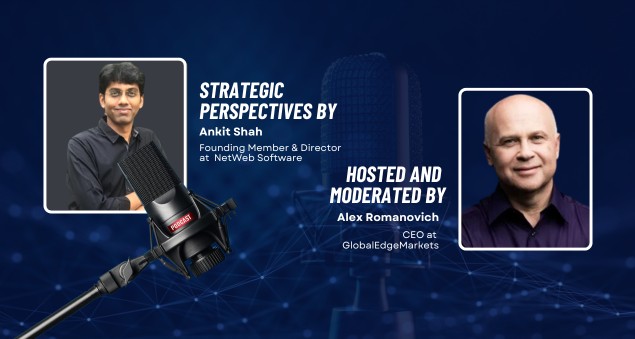
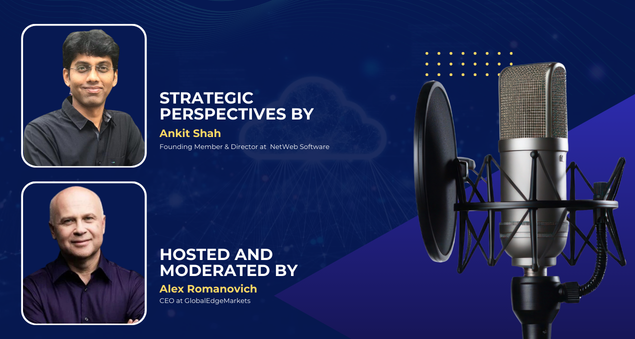
Ankit Shah had a thoughtful discussion with Alex Romanovich in a recent episode of Global Edge Talk, part of the series of podcasts on a topic that many organizations are grappling with today-how to modernize legacy systems while preserving the intelligence built into them over decades.
For years, enterprise systems built on technologies such as AS400, COBOL have quietly powered the core operations of organizations across industries. While often labeled as “legacy,” these systems continue to manage critical processes ranging from financial transactions and inventory management to compliance and healthcare records.
The reason they persist is simple: they contain years of accumulated business intelligence and continue to remain highly reliant and accurate.
Embedded within these systems are thousands of business rules; conditions, workflows, and exceptions that define how an organization operates. These rules govern how transactions are validated, how risks are managed, and how compliance requirements are enforced.
As organizations move toward AI-driven transformation, the challenge is not simply replacing these systems. The real challenge is modernizing them without losing the logic that has safeguarded business operations for decades.
The Value Hidden in Legacy Systems
Legacy systems are often viewed as outdated technology that limits innovation. In reality, they represent a repository of institutional knowledge.
Over time, enterprises have embedded their operational experience into these systems through business rules, exception handling, and compliance controls. Many of these rules remain undocumented and deeply embedded within code, making them difficult to interpret or replicate without careful analysis.
This creates a paradox for modern enterprises:
the systems that appear the oldest often contain the most valuable knowledge about how business works.
AI as a Modernization Catalyst
Artificial Intelligence is now beginning to change how organizations approach legacy transformation.
Instead of relying solely on manual reverse engineering, AI can help analyze complex codebases, identify patterns, and surface embedded business rules. What once required months of effort can now be accelerated significantly.
However, while AI can reveal what rules exist within a system, it cannot always explain why those rules were created in the first place. Understanding the business intent behind these decisions still requires human expertise.
This is where the concept of Business Rule Rejuvenation becomes particularly relevant.
From Code Migration to Business Rule Rejuvenation
Legacy modernization is often framed as a technology upgrade – migrating applications, converting code, or moving systems to the cloud.
But meaningful modernization requires something deeper. Organizations must revisit the rules that guide their operations.
Some rules reflect outdated assumptions, while others remain critical for compliance, governance, and operational integrity. Rejuvenation means understanding which rules should be preserved, which should evolve, and which should be retired as businesses adapt to new technologies and operating models.
A Strategic Opportunity for Enterprises
Across industries, from manufacturing and logistics to healthcare and financial services; legacy systems still shape day-to-day operations.
Modernizing these environments without understanding their embedded logic can introduce significant operational risk. At the same time, leaving them untouched can limit innovation and agility.
AI now provides an opportunity to bridge this gap, helping organizations uncover the intelligence within legacy systems while enabling thoughtful and strategic modernization.
For technology leaders, the objective is not simply to replace the past, but to extract its value and evolve it for the future.
These ideas are explored further in Global Edge Talk, Ankit Shah and Alex Romanovich discuss how enterprises can approach legacy transformation, extract hidden business rules, and combine AI-driven analysis with human expertise.
Listen to the full podcast to hear the complete conversation.